
How do porta potties work?
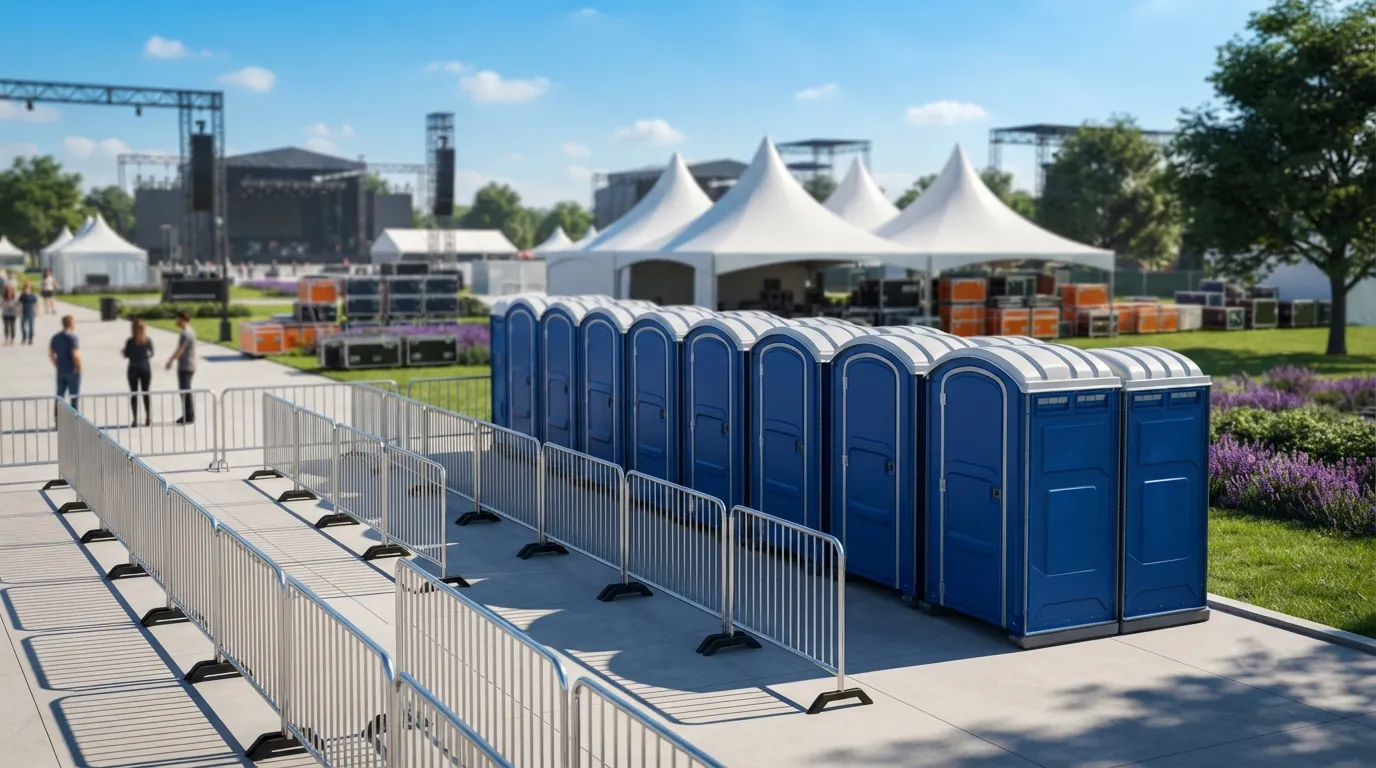
The design is simple on purpose. A molded plastic shell sits over a holding tank, and the seat drops straight into that tank with no pipe, no water line, nothing to freeze or clog. A standard unit runs about 44 by 48 inches on the ground and stands roughly 92 inches tall, small enough to fit tight lots around Fontana without eating parking. Inside the tank, a blue chemical solution breaks down waste and keeps smell down between pump-outs. That's the whole system: use it, seal it, pump it, repeat. It's also why a construction worker running to porta potty on break doesn't have to think twice about lines or hookups, the unit works the same whether it's day one on site or week twelve. For jobsites, construction site services plans usually pair a standard porta potty rental with a set pickup schedule so a crew never runs a tank dry. Curious what a full jobsite setup should include? The porta potty rental checklist walks through it. ANSI/PSAI Z4.3, the industry sanitation standard, sets a baseline service interval of once weekly for up to 10 users over a 40 hour week, which is why most Fontana rentals get serviced on that rhythm unless traffic is heavier.
How do flushable porta potties work?
A deluxe flushable unit adds a small onboard freshwater tank and a foot pump or hand pump that pushes a rinse of water through the bowl after each use, instead of leaving waste sitting exposed in the tank below. It still empties into the same sealed holding tank, so nothing runs to a sewer line. The flush just moves waste down and rinses the bowl, which cuts odor and keeps the seat area cleaner on long events. It's a step up from a standard porta potty rental and a step below a full restroom trailer rental, which runs real plumbing and a wastewater holding system. Weddings and parties around Fontana usually spring for the flush upgrade. See the deluxe flushable porta potty page for specs, or compare it against a luxury restroom trailer if you want sinks and mirrors too.
How does a portable sink work?
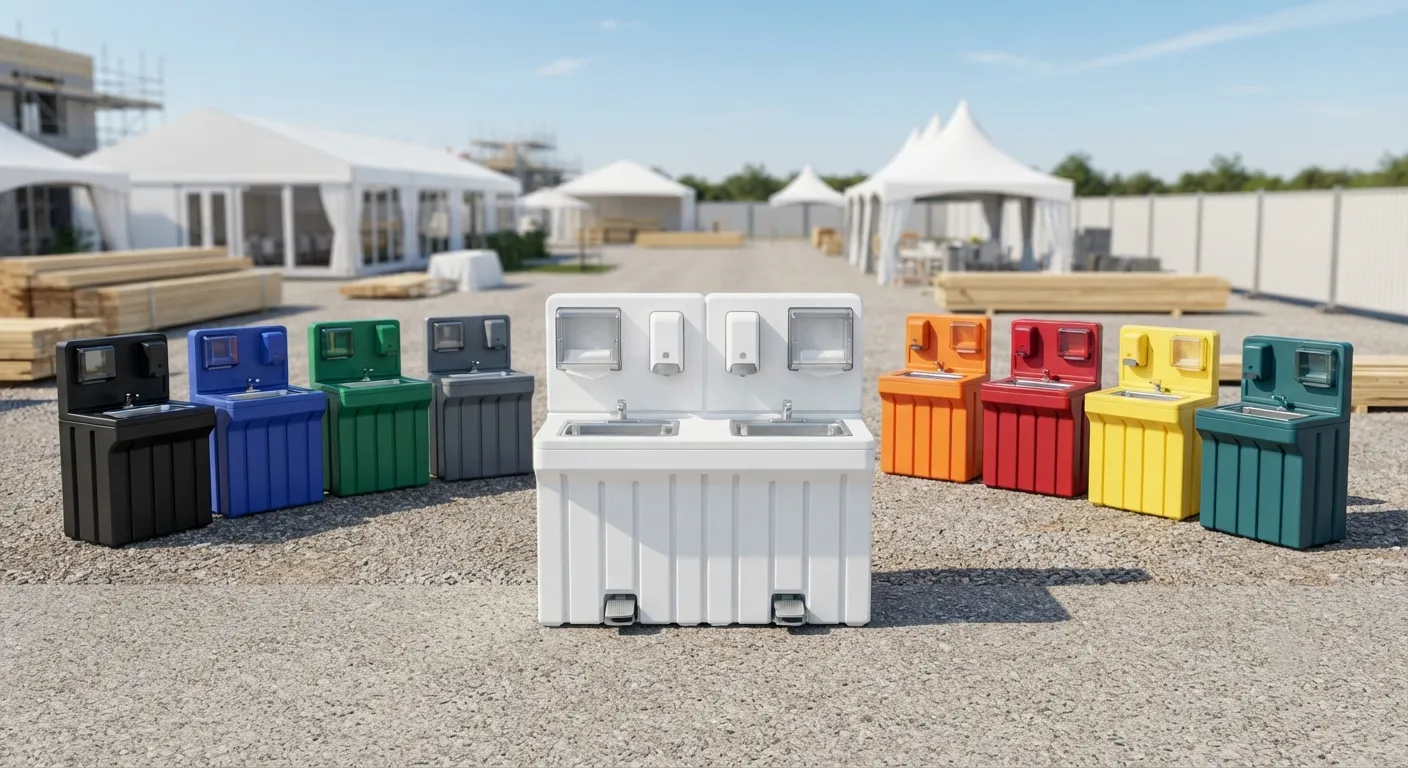
A portable sink carries its own fresh water in a tank, usually with a foot pump or a small battery pump that pushes water through the faucet, and greywater drains into a separate holding tank underneath instead of down a drain line. Soap sits in a built-in dispenser. This matters for compliance, not just comfort: 29 CFR 1910.141(d)(2) requires soap and a towel or hand-drying device at washing stations, and hand sanitizer alone doesn't satisfy that rule. On a paint or coating job, OSHA 1926.51(f)(1) requires washing facilities specifically because of contaminant exposure from paints, coatings, herbicides or insecticides. A handwashing station rental or portable sink rental covers both needs, and it's a more reliable answer than searching portable toilet chemicals near me and trying to dose a unit yourself. Farms hiring hand-labor crews should also check farm and agricultural restrooms, since field sanitation rules require water and toilets within a quarter mile walk of the work.
Do porta potties smell, and how is that controlled?
Smell comes from ammonia gas released as waste breaks down, and the blue tank chemical is built to neutralize that reaction, not just mask it with fragrance. Service frequency matters more than the chemical brand. A unit serviced weekly under the ANSI/PSAI Z4.3 baseline stays far fresher than one left three weeks between visits on a busy Fontana jobsite. Placement helps too, since units baking in direct sun off Sierra Avenue will smell stronger than ones in shade. If odor's been a recurring complaint, the do porta potties smell page covers venting and placement fixes, and porta potty placement guide has siting tips. For events with heavier traffic, an event restroom rental plan with added service visits usually solves it outright, and how often are porta potties cleaned breaks down realistic intervals by use case.
FAQ
How many porta potties does a job site need?
OSHA 1926.51(c) sets the baseline: one toilet for 20 workers or fewer, then one toilet and one urinal per 40 workers up to 200. A 15-person crew in Fontana needs one unit. Bigger crews should check how many porta potties do i need and osha portable toilet requirements for the full ratio table.
What chemical goes in a porta potty tank?
A blue deodorizing solution designed to break down solids and cut ammonia odor between service visits. It's added at delivery and topped off at each pump-out, not something a renter buys or manages separately with Fontana Porta Pros handling the schedule. Septic tanks use a different family of products entirely; a septic tank cleaning chemical or septic tank cleaning chemicals marketed for home systems are not the same as what goes in a rented unit, and pouring one into a porta potty tank isn't recommended.
How do camping porta potties work?
Camping units work the same way as jobsite ones, a sealed holding tank under a seat with chemical treatment, just built lighter for towing or hauling to remote sites. Check camping porta potty for unit sizes suited to weekend trips outside city service range.
Can a worker leave the jobsite to use a restroom?
No employer wants a construction worker porta potty situation where the nearest unit is a quarter mile walk off-site. OSHA 1926.51(c) requires facilities on site, and placing them within a short walk keeps crews working instead of driving to find a bathroom, a common complaint on spread-out Fontana sites.
Are ADA-accessible porta potties different inside?
Yes. They're wider, with a 60 inch turning circle per ADA Standards 304.3.1 and a 32 inch minimum door opening under ADA Standards 404.2.3. Clusters of standard units need at least one accessible unit under ADA Standards 213.2. Details are on ada accessible porta potty.
Next step
Get a delivery date
Tell us the address, the dates and the headcount. We size the order and confirm the route.